How Biometric Systems Are Reshaping Entry Protocols and Play Patterns at Multi-Jurisdictional Gaming Sites
Rafael Brooks · Oct 10, 2026
How Biometric Systems Are Reshaping Entry Protocols and Play Patterns at Multi-Jurisdictional Gaming Sites
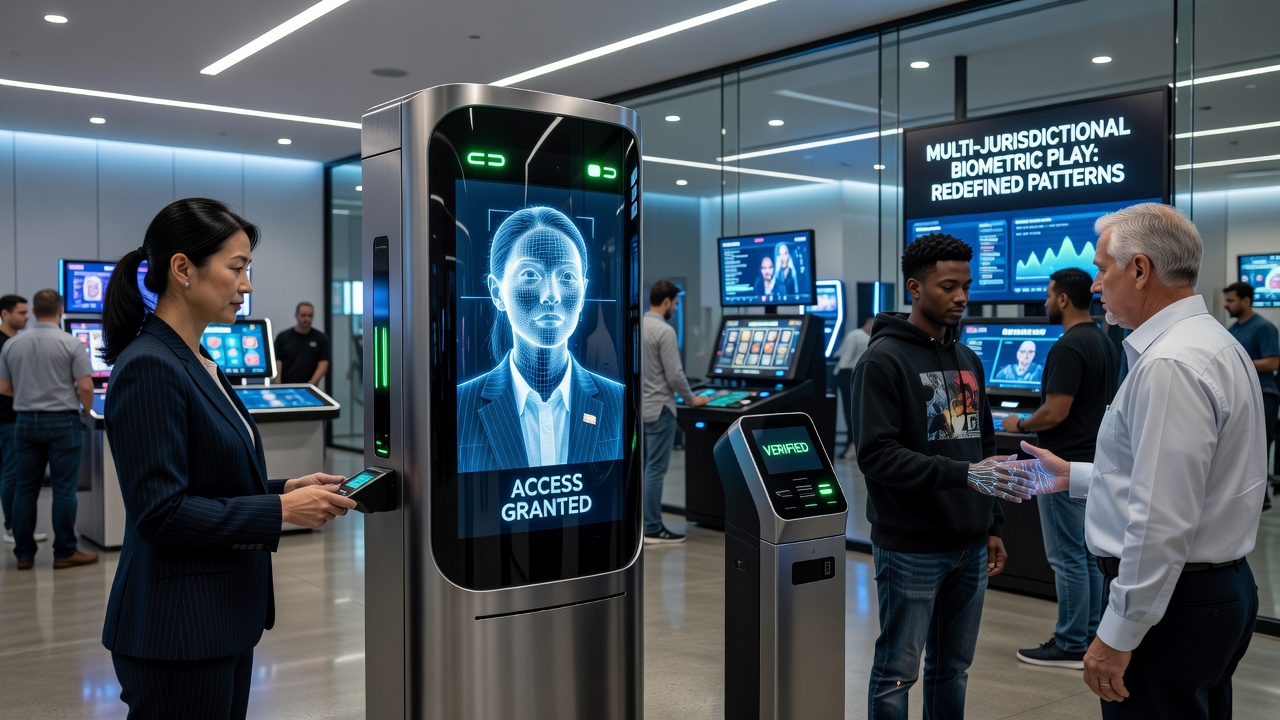
Biometric systems have moved from pilot programs to standard infrastructure across casinos that operate in multiple regulatory zones, and facilities in places like Nevada, Macau, and parts of Australia now rely on facial recognition, fingerprint matching, and palm-vein readers to manage who enters and how long they stay. These tools verify identity in seconds rather than minutes, cross-check against exclusion databases maintained by different governments, and feed real-time data into loyalty platforms that track every wager placed on the floor.
Entry Protocols Shift from Manual Checks to Automated Verification
Traditional ID scans and manual guest lists gave way to integrated biometric gates once regulators in several jurisdictions approved their use for age verification and self-exclusion enforcement. In October 2026, operators in overlapping U.S. state markets began sharing anonymized biometric templates through secure interstate compacts, allowing a person barred in one location to trigger an automatic alert when approaching a property in another state. The same systems log entry times and link them directly to player accounts, which removes the need for repeated card swipes or PIN entries at table games and slot machines.
Data from regulatory filings show that average entry processing times dropped from 45 seconds to under 12 seconds at properties that completed full biometric rollouts. Staff still handle edge cases such as damaged credentials or technical failures, yet the majority of verified patrons now pass through dedicated lanes equipped with overhead cameras and contactless readers. Multi-jurisdictional operators report fewer incidents of underage entry attempts because the biometric match must align with government-issued records stored in encrypted regional databases.
Cross-Border Data Sharing Supports Responsible Gaming Measures
Self-exclusion programs gained stronger enforcement once biometric templates replaced paper forms and plastic cards. A patron who joins a voluntary exclusion list in Singapore, for example, can have that status recognized at partner properties in Australia when the systems exchange hashed identifiers under formal data-sharing agreements. Observers note that these linkages reduce the chance of someone breaching an exclusion order simply by crossing a border or switching venues within a larger resort group.
Industry reports indicate that biometric-linked exclusion lists grew by more than 30 percent between 2024 and 2026 in jurisdictions that permit such exchanges. The technology also supports cooling-off periods, automatically flagging accounts that exceed daily or monthly visit limits set by the patron or required by local rules. When a player reaches a preset threshold, the system can issue a discreet notification through the loyalty app or at the gaming terminal itself.
Play Patterns Change as Biometrics Feed Real-Time Tracking
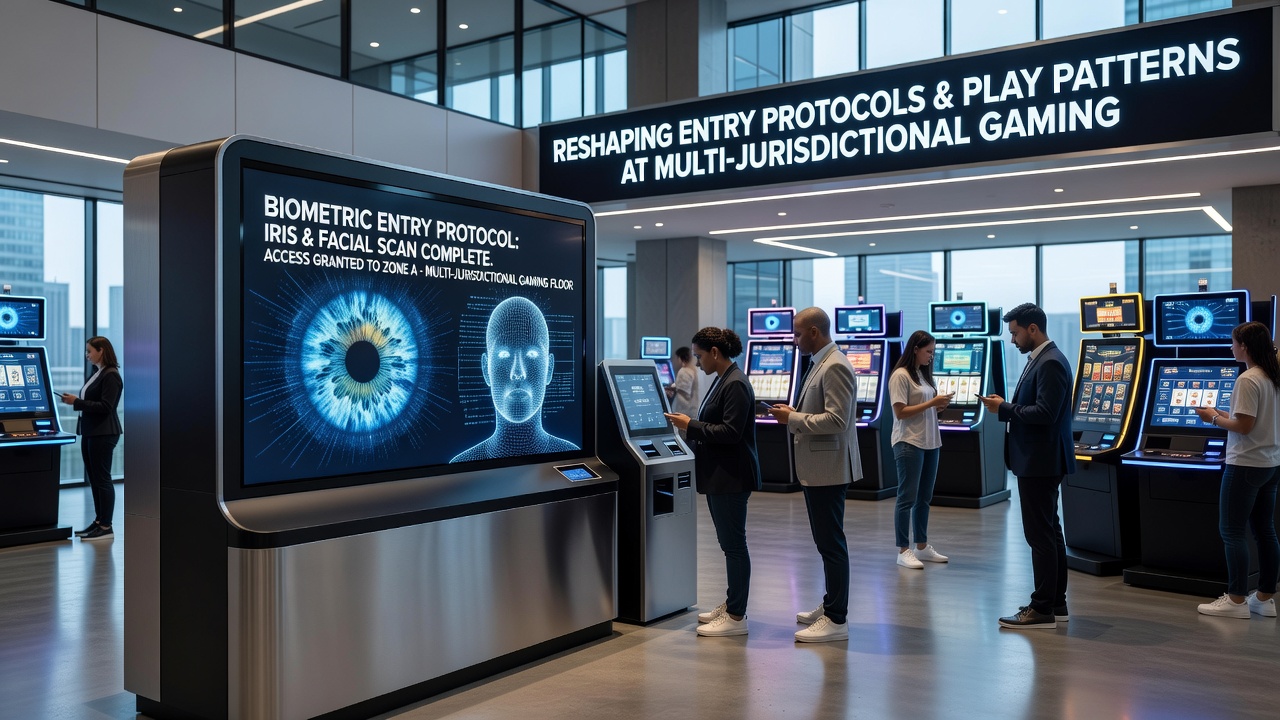
Once inside the property, biometric authentication lets operators connect every bet to a single verified profile without interrupting gameplay. Loyalty systems now record session length, average wager size, and game type selection across both land-based machines and connected mobile apps used on the same premises. This unified view replaces earlier fragmented records that relied on separate player cards for slots, tables, and online portals.
Researchers tracking anonymized datasets from integrated resorts found that biometric-tracked patrons tend to move between game categories more frequently than those using traditional cards. The seamless login process removes friction at each transition, so a guest who starts at a slot machine can shift to a live table without re-authenticating. Multi-site operators use these patterns to adjust staffing and machine placement, while regulatory bodies receive aggregated reports that help monitor compliance with responsible gaming benchmarks.
Anti-money laundering protocols also benefit because biometric entry creates an auditable trail from the moment a patron crosses the threshold. Large cash transactions now require an additional biometric confirmation that matches the original entry record, which reduces the risk of account sharing or proxy play. In jurisdictions that mandate source-of-funds checks, the same system can prompt staff to request documentation when cumulative play exceeds thresholds set by local law.
Implementation Challenges Across Different Regulatory Frameworks
Not every jurisdiction adopted biometric entry at the same pace. Some European markets require explicit opt-in consent and limit data retention periods, whereas certain Asian and North American regulators allow broader template storage for security purposes. Operators managing properties on both sides of these rules maintain separate data silos or apply the strictest standard across all sites to avoid conflicts during audits.
Technical interoperability remains an ongoing project. Facial recognition algorithms trained on one demographic mix sometimes show lower accuracy rates when deployed in regions with different population characteristics, prompting vendors to retrain models using local data under privacy-preserving techniques. Hardware maintenance also varies by climate, with coastal properties needing more frequent cleaning of camera lenses and readers exposed to salt air.
Future Integration with Broader Casino Ecosystems
By late 2026, several multi-jurisdictional groups began testing biometric systems that extend beyond entry and play tracking to include hotel check-in, restaurant reservations, and event access. The goal is a single verified identity that satisfies every regulatory touchpoint while giving the patron fewer physical cards or apps to manage. Pilot programs in Australia and the United States report high adoption rates among loyalty members who already consented to biometric enrollment for gaming floors.
Academic studies published in gaming technology journals continue to examine long-term effects on player behavior and exclusion compliance. Early findings suggest that the combination of frictionless entry and continuous monitoring helps operators meet both commercial and regulatory objectives without increasing staffing levels proportionally to guest volume.
Conclusion
Biometric systems have become a core component of how multi-jurisdictional gaming sites manage entry and monitor activity. The technology links identity verification, exclusion enforcement, and play tracking into one continuous process that satisfies rules across borders while reducing manual steps for both staff and patrons. As more regions finalize data-sharing standards, operators and regulators alike gain clearer visibility into patterns that shape daily operations at integrated resorts worldwide.