Profile Integration Across Digital Interfaces and Physical Venues Altering Session Sequences in Mixed Gaming Complexes
Ellis Lange · Oct 24, 2026
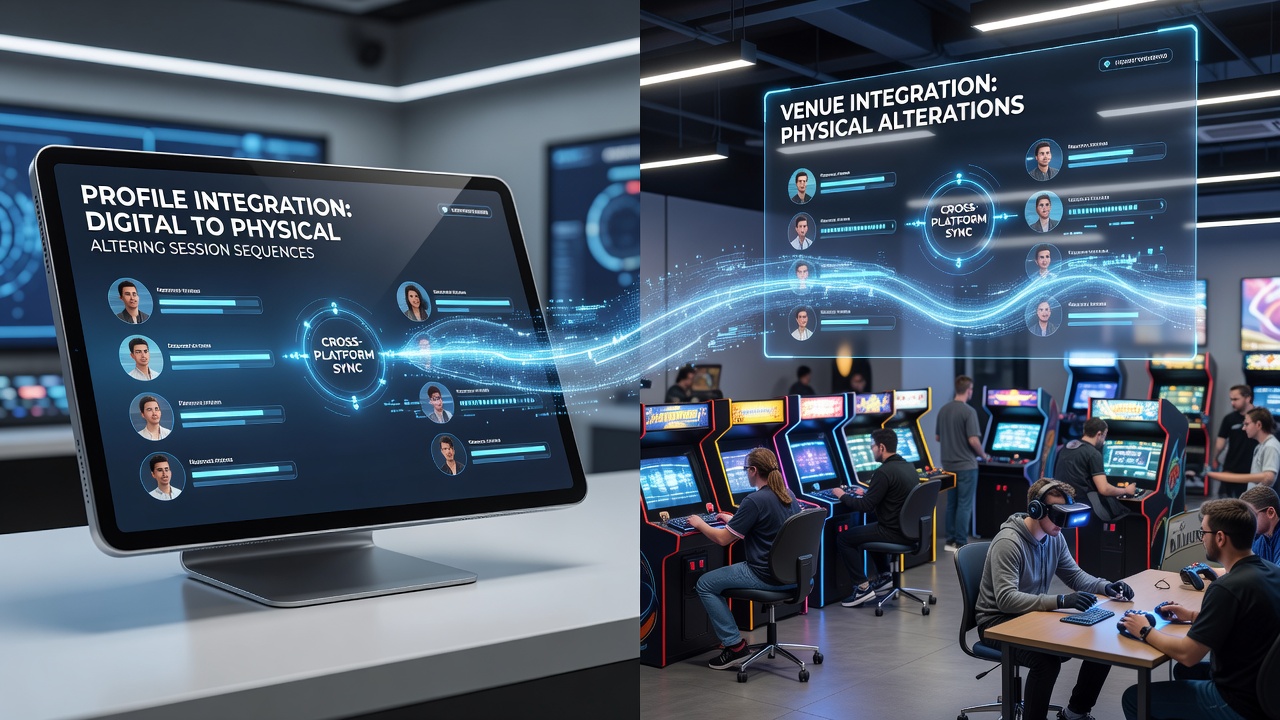
Profile Integration Across Digital Interfaces and Physical Venues Altering Session Sequences in Mixed Gaming Complexes
Integrated player profiles now connect mobile applications with on-site systems at mixed gaming complexes, and this linkage changes the order in which people move between digital slots, table games, and live events. Data from unified accounts flows across platforms so operators track play history in real time, and session sequences adjust based on accumulated points, preferences, and promotional triggers.
Unified Account Systems and Their Reach
Operators link smartphone apps to loyalty cards and RFID wristbands at physical locations, which allows a single profile to follow each person through digital and in-person play. Research from the University of Nevada, Las Vegas Center for Gaming Research shows that these connections alter starting points for many sessions, with players often beginning on mobile before shifting to tables once certain thresholds appear in their records. Figures from the Nevada Gaming Control Board indicate that integrated resorts reported higher cross-platform activity in the first three quarters of 2026 compared with prior years.
Observers note that when a profile records high engagement on digital reels, the system may route that person toward specific table minimums upon arrival, and this routing happens through notifications that appear both on the phone and at kiosk check-ins. The process relies on shared databases rather than separate silos, so timing for each transition depends on cumulative data instead of isolated visits.
Changes to Session Flow Patterns
Session sequences in mixed complexes now follow algorithmic suggestions drawn from profile data, and players encounter prompts that steer them from one format to another based on recent activity. For example, someone who completes a set number of spins on a mobile game may receive an invitation to join a live dealer table that matches their typical bet size, while another profile showing extended table play might direct attention back to digital promotions during breaks.
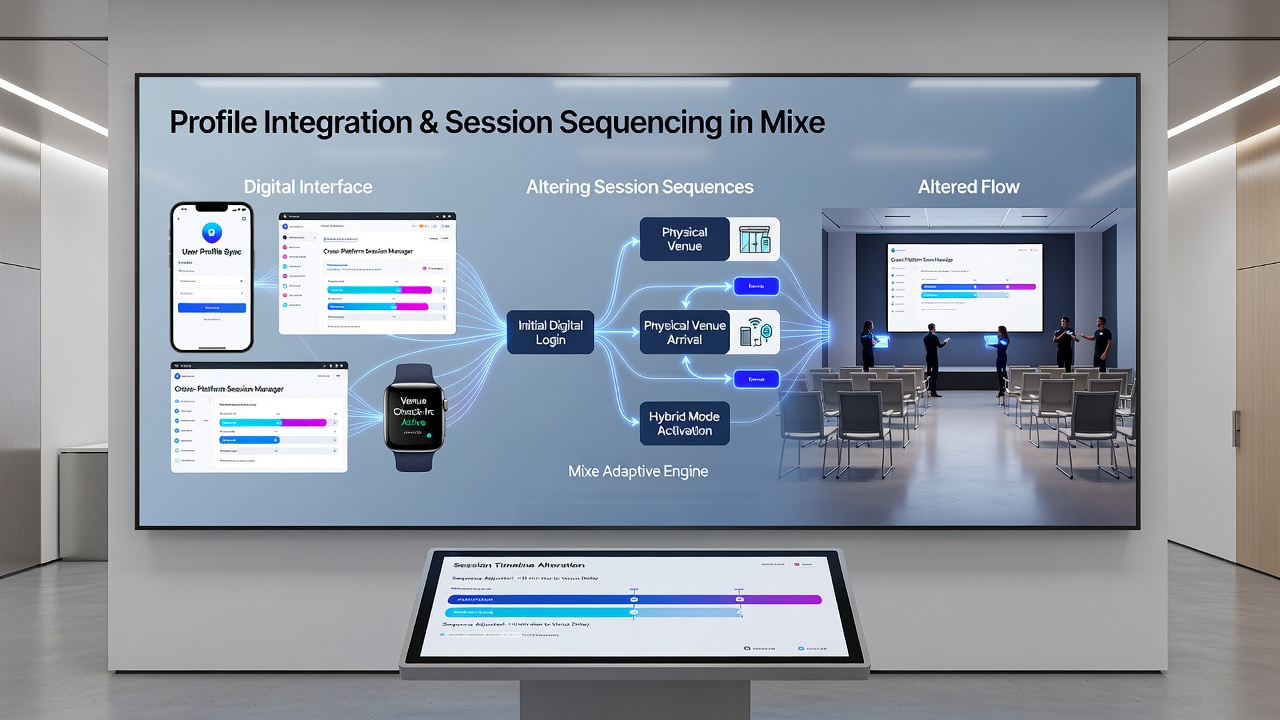
Analysts at the Australian Institute of Criminology documented similar patterns in properties that adopted unified systems by mid-2026, where average dwell time per visit increased when profiles guided transitions. Those studies also found that sequences became more predictable, with digital starts leading to physical continuations at rates above those recorded in non-integrated venues.
Data Sharing and Operational Adjustments
Operators collect metrics on spin frequency, win rates, and time spent per game type, then feed those metrics into profile algorithms that influence everything from table assignments to bonus availability. This sharing occurs through secure APIs that update across devices within seconds, and it enables staff at physical locations to anticipate arrivals based on mobile activity logs. In October 2026 several properties in the Asia-Pacific region expanded these protocols after reviewing internal reports that linked profile-driven sequencing to steadier daily revenue streams.
People who manage mixed complexes report that the same profile can trigger different sequences depending on location and time of day, so a morning mobile session might feed into an afternoon table rotation while an evening digital session leads to late-night digital extensions. The underlying code draws from historical patterns rather than real-time decisions alone, which keeps sequences consistent across multiple visits.
Regulatory and Technical Considerations
Regulatory bodies in multiple jurisdictions require operators to maintain clear audit trails for profile data that crosses digital and physical boundaries, and these requirements shape how sequencing tools are deployed. The Singapore Casino Regulatory Authority has issued guidelines that emphasize transparency in how integrated accounts influence player movement, while Canadian provincial regulators have begun reviewing similar frameworks for destination properties. Technical standards from the Gaming Standards Association support the secure transfer of session data between interfaces, which reduces errors during transitions.
Implementation varies by property size and technology stack, yet the core mechanism remains the same: a central profile repository updates in real time and supplies parameters that reorder session options for each account holder. This structure supports the mixed gaming model without requiring separate tracking methods for each venue type.
Conclusion
Profile integration across digital and physical channels continues to modify session sequences at mixed gaming complexes through data-driven routing and unified tracking. Reports from academic centers, regulatory agencies, and industry associations document measurable shifts in how play progresses when accounts remain connected across platforms, and these shifts appear in operational records from properties operating in 2026. The approach relies on consistent data exchange that respects jurisdictional rules while allowing operators to align digital starts with physical continuations in measurable ways.